




粘签去除试验
Adhesive Removal Test/粘签去除试验
产品编号:ART201515M 用于小鼠
产品编号:ART252030R 用于大鼠
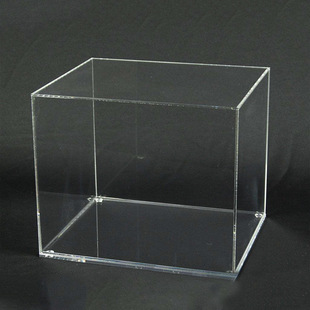
The adhesive removal test is widely used in rodents to evaluate sensorimotor dysfunction and motor asymmetry. Briefly, animals are placed into a transparent box and two similar adhesive tapes are attached to the hairless part of each forepaw with the same pressure. The time it takes to contact and remove the stimuli is recorded. In general, animals spend more time contacting and removing the adhesive tape from the contralateral forepaw, while they have no problem contacting and removing the adhesive tape from the ipsilateral forepaw. In addition, adhesive removal test with modified protocols can also be used in stroke studies. For example, adhesive tapes were attached on the vibrissae of rodents to study sensory function in a photothrombotic stroke model, and adhesive tapes of various sizes were used to determine the stimulating threshold for removal behavior in a focal ischemic study. The adhesive removal test has been used to assess long-term stroke outcome in ischemic models. In a distal focal cerebral ischemia model, the adhesive removal test was able to detect sensorimotor deficits in mice up to 3 weeks after injury. Another study showed that cortical ischemic rats spent significantly more time removing the stimuli on forelimb wrists compared to sham controls 6 weeks after injury. Using a modified protocol, it was reported that larger sticky tapes were required to trigger the removal behavior on contralateral forelimb (function impaired side) in ischemic rats in both acute (1-14 days after injury) and chronic (21-30 days after injury) stages in a focal ischemia study. In addition, cerebral ischemic rats with bone marrow cell treatment exhibited reduced time to remove the stimuli at day 14 after injury, indicating faster recovery. Together, these results suggest that the adhesive removal test is a sensitive test for long-term function assessment after ischemic stroke and can be used to evaluate neuroprotective effects of novel treatments. The adhesive removal test has also been used to assess sensorimotor function in hemorrhagic stroke. Mice with ICH showed a longer latency to contact the stimuli and took more time to remove it, indicating sensorimotor impairment after stroke. This difference could be detected up to 21 days after injury and bone marrow cell treatment significantly improved the sensorimotor function. Similarly, rats exhibited a longer latency to contact the stimuli and/or spent more time removing the sticker at day 21 after SAH. Additionally, SAH rats perforated from the right internal cerebral artery (ICA) showed more significant sensorimotor deficits on left paw than right paw at day 6 after stroke, and these deficits were attenuated by intranasal stem cell treatment. These findings suggest that the adhesive removal test can be used to assess long-term outcome and recovery pattern in hemorrhagic stroke.
The adhesive removal test has various advantages. It is an objective and
sensitive test for sensorimotor function assessment, and it can be used at the
chronic phase after stroke to assess long-term stroke outcome. However, it has
large variations and requires multiple rounds of training and strict control of
the variables to obtain reliable data. For example, animals are usually trained
once a day for 5 days before stroke induction to minimize individual variation.
 京公网安备11010802032317号